Health and public servicesIndustry
Citizens' office: the waiting area as an information desk
Call number, required documents, opening hours, plain language: what a screen in a town hall can do and where its limits lie.
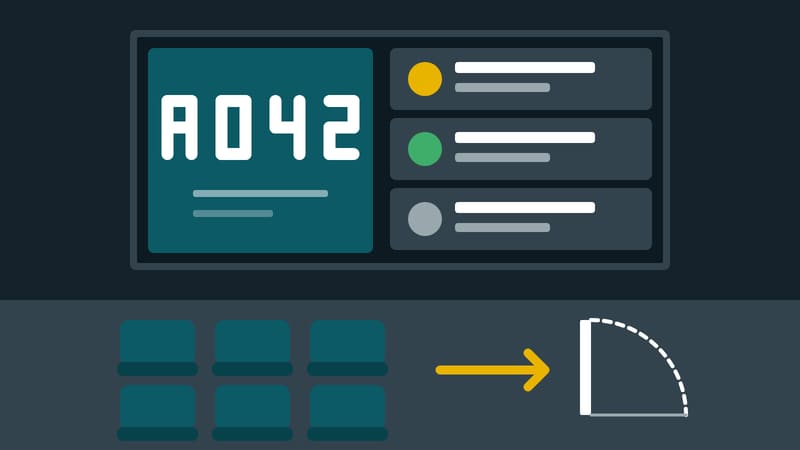
Everyone comes to the citizens' office: people who need an ID card, who are moving, who apply for a certificate of good conduct, who are new to the town. What they have in common is that they wait, and many do not know whether they have the right documents with them. A screen in the waiting area can do more than pass the time.
What belongs there
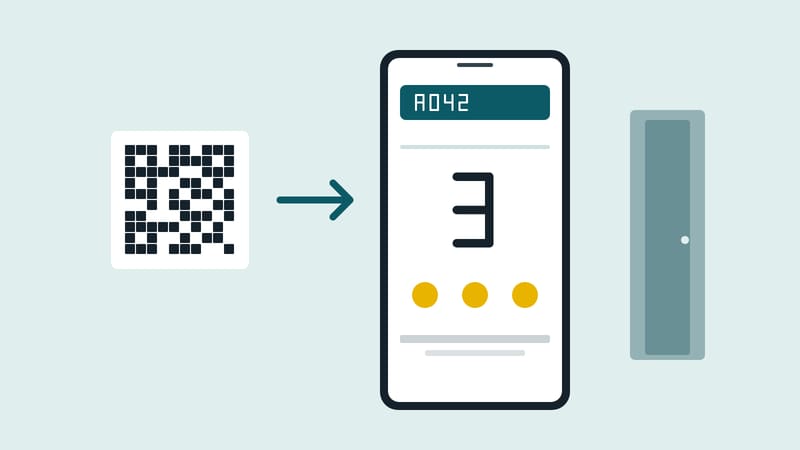
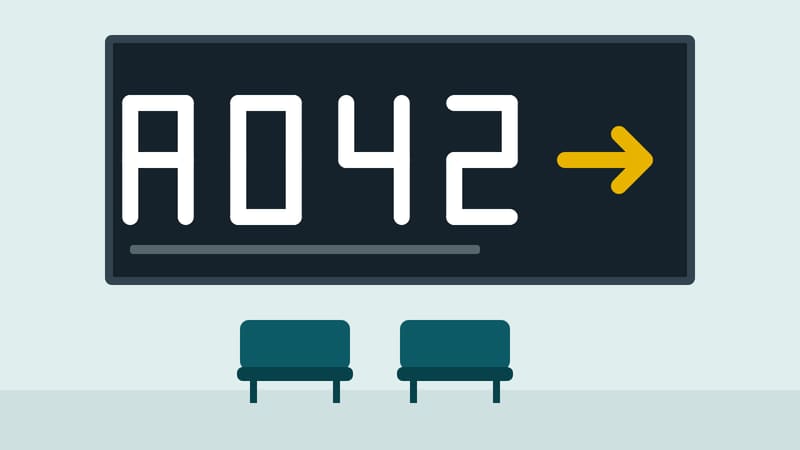
The call number. Clearly visible, with the room or counter where it is called. A name on the screen is not needed. Number and counter are enough.
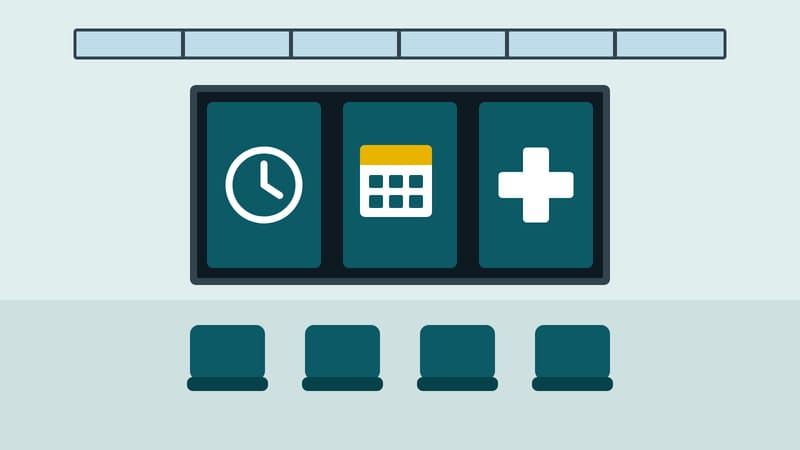
What to bring. The most frequent matters, each with a short list: applying for a passport, registering a change of address, a certificate of good conduct. Four or five lines per matter, no more. Someone who notices in the queue that a document is missing saves a second trip if they find out early.
Opening hours and appointments. Including those around the next public holidays. A note on where to book an appointment online.
Wayfinding. Floors, lift, toilets, accessibility.
Notes on the waiting area. Children's corner, drinking water, help with filling in forms.
Writing so it is understood
Offices often write for offices. A screen is the wrong medium for that: it is read in passing and from three metres. Short sentences, one thought per line, no abbreviations that only the administration knows.
The federal German Disability Equality Act gives a yardstick. Public bodies are to communicate with people with intellectual and mental disabilities in simple and understandable language and to provide information more often in Easy Language (section 11). The act applies, however, to the federal administration. For towns and municipalities the equality acts of the states are decisive; they were not evaluated here. Section 11 still works as a yardstick: a screen in plain language also helps people who do not speak German as a first language or who are simply tense.
This article is not legal advice.
Multilingual content
Anyone who does not speak a language often reads the first line and gives up. A second language in a second column, rather than a switch after eight seconds, can work better because all lines are visible at once. Which languages depends on the place. That can only be answered with the municipality's population statistics, not in general.
What does not belong there
- Personal data. Neither names nor reasons for the visit are meant for others in the room.
- Advertising. An office that shows advertising also has to answer who pays for it.
- Political messages from the election campaign of the administration's leadership.
- Long blocks of text, such as the wording of a by-law. A QR code to the website serves that purpose.
Technically: what is allowed to fail
A failing screen must not paralyse operations. So plan a printed notice as a fallback for the call number and the signposts, and decide who is called in case of a fault. The screen is a convenience, not a substitute for the counter.
A test
Ask someone who has never been in the citizens' office to sit in the waiting area for three minutes. Afterwards ask: what did you read? What did you not understand? The answers say more than any checklist.
DS Content kompakt
The magazine’s newsletter: three articles and one practical tip, by email about every two weeks.