Health and public servicesIndustry
Medical practice: the screen informs, it does not tout
Consultation hours, holidays, cover, hygiene: what belongs in the waiting room, and where professional codes limit advertising.

The waiting room is one of the few places where people voluntarily and without distraction look at a wall for ten minutes. For a screen that is a gift; for a medical practice it is also a risk. This article describes what the medical profession's code of conduct says and is not legal advice.
The framework: information yes, touting no
Section 27 of the model professional code for doctors in Germany sets out what is allowed. Factual, profession-related information is permitted. Professionally improper advertising is forbidden; improper in particular is advertising that touts, misleads or compares. Doctors may not cause others to do it nor tolerate it. Also inadmissible is advertising for their own or third-party commercial activities or products in connection with their medical work. Organisational notices may be announced.
For the practice this means: what factually describes when and how it can be reached may run. What praises its own services by comparison may not. In case of doubt the practice management releases a slide only after reading it personally.
Important: the model code is a model. What binds doctors is the professional code of the relevant state chamber of physicians, and details may differ.
What belongs on the screen
Everything that is organisational and spares patients questions:
- Consultation hours, including those around the next public holidays
- Holidays and cover, with the name and address of the covering practice
- Notes on procedure: registration, insurance card, prescriptions and referrals
- Hygiene and conduct: hand disinfection, a mask for respiratory infections if the practice wants it
- Data protection notices and information on making appointments
- General health information, such as notes on vaccination dates or screening, worded factually
What does not belong on the screen
- Touting one's own services. "The best treatment in the region" is touting. "Additional service X, price according to the fee schedule" is information, provided it stays factual.
- Advertising commercial products, such as supplements or cosmetics sold by the practice, if it is connected with the medical work.
- Third-party advertising by the pharmaceutical industry. Under section 10 HWG, prescription-only medicines may be advertised only to the trade. Anyone who brings a manufacturer's spot into the waiting room also brings this problem in.
- Comparative statements about other practices.
Two things that are easy to overlook technically
Third-party content without review. A screen that automatically shows news, weather and health tips from a service is convenient. If the service inserts advertising, the practice shares the responsibility. Before introducing it, check whether the service plays ads and whether that can be switched off.
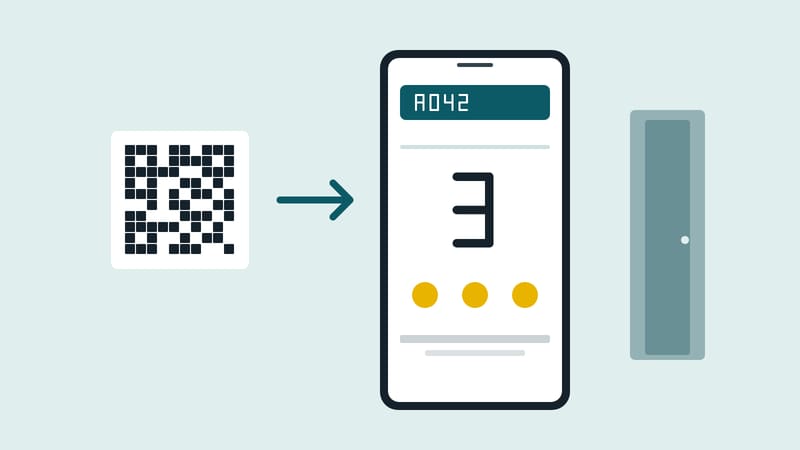
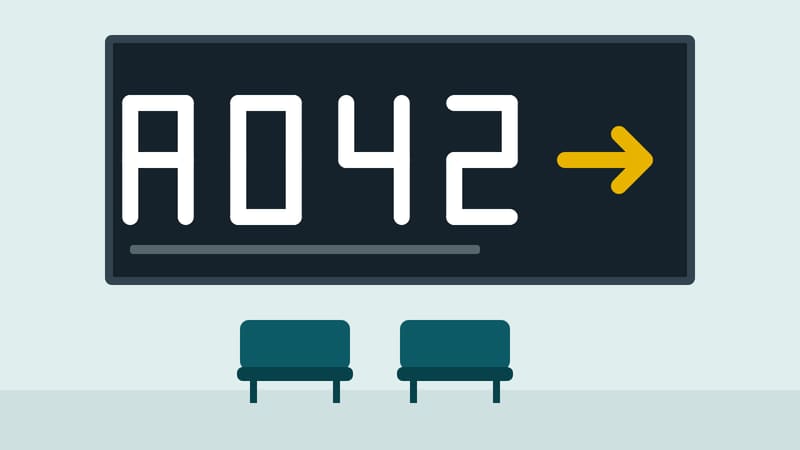
Names on the screen. Anyone who calls patients up in the waiting room should consider whether the name is needed. A number or a code allows the same order. That is a recommendation, not a statement of the legal position.
A test for every slide
Ask of each image: would I also hang this sentence on the door? Is it factual? Does it help someone who is waiting? If yes, it stays. If it only benefits the practice, it goes under review.
DS Content kompakt
The magazine’s newsletter: three articles and one practical tip, by email about every two weeks.