Market and DOOHBilling
Only what demonstrably played ends up on the invoice
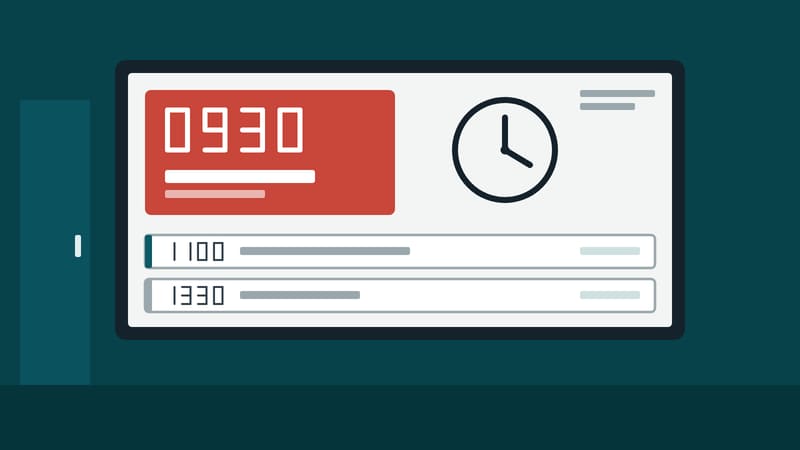
The DOOH Hub advertising portal makes screen networks bookable without replacing the CMS. Invoices are built from reported plays, and a day without a report puts them on hold.
Kapaso solution: The DOOH Hub is made by the publisher of this magazine.
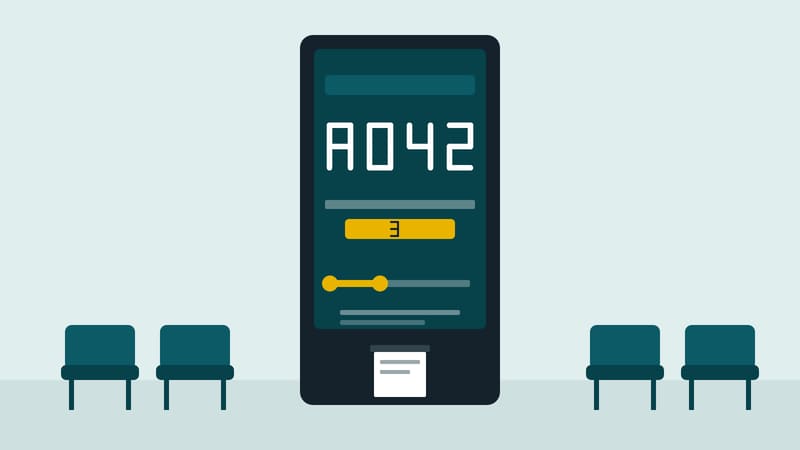
A screen in a pharmacy, a gym or a petrol station has airtime to spare every day. It is rarely sold, because selling it takes more than a content management system. The operator needs a place where advertisers can find and book screens, a route for approvals, and an invoice the customer can follow. The last of these is the hardest. A booking states what was supposed to run. Only the player knows whether it did.
This is where Kapaso's DOOH Hub comes in. It is an advertising portal for operators of screen networks, and it bills from what those networks report as played.
The CMS stays
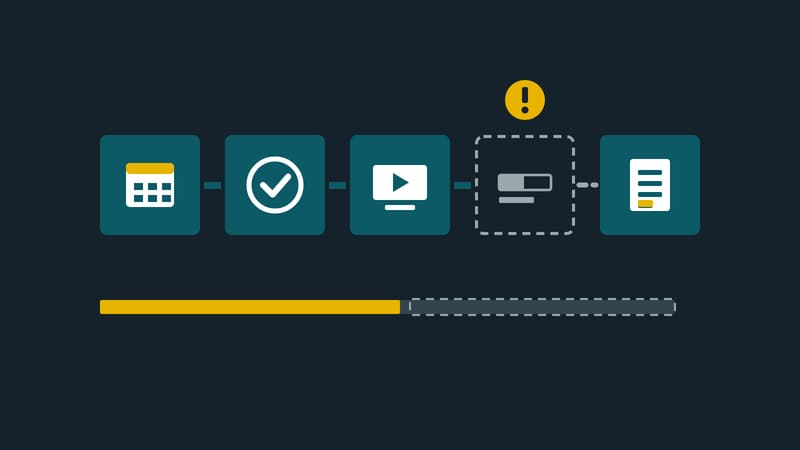
The portal does not replace the system already in place. It connects through an open interface or through a ready-made SMIL file per screen; screens can also be entered by hand or imported as a CSV table. Advertisers book through a five-step assistant: budget, period, creative, screens, review. Before they commit they see what the campaign costs and where it will run. Anyone who prefers not to pick screens can let the portal draw up the plan.
The invoice follows the proof
The process has five stages: booking, approval, play-out, proof, invoice. Each depends on the one before. The CMS reports back what has run. Duplicate reports are not counted, and only a play that was reported as played and has a duration is billed.
If no report arrives for a booked day, that day shows up as a reporting gap. The portal does not read it as "nothing ran" but as "unknown": an invoice with an open reporting gap cannot be finalised. When a player with an active booking goes silent, the network operator receives an email. Advertisers see the delivery status as a percentage in the campaign report and can download the report as a CSV file. Invoices are issued as PDF and as a structured e-invoice. According to the vendor, the proof of play is kept unalterable for ten years.
Who can block what
Approval comes before play-out, and it has several levels. The strictest one always wins.
- Law and portal rules: tobacco, prescription medicines, gambling and political advertising are blocked automatically. Nobody can lift this block by hand, not even the portal operator.
- Network: the network operator decides by its own rules.
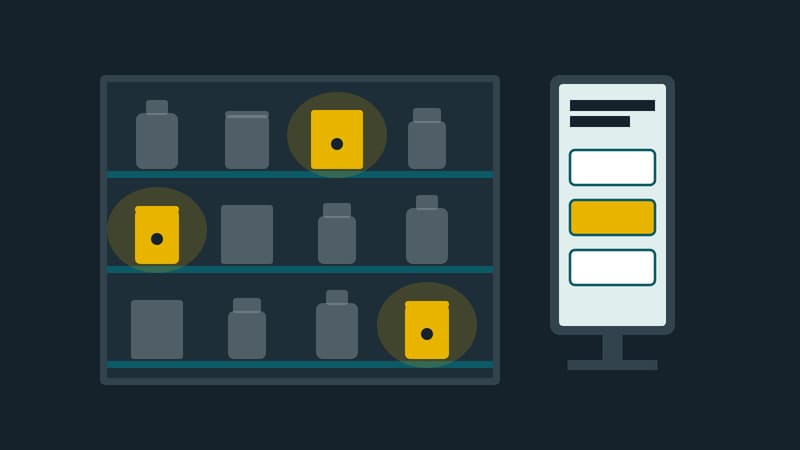
- Location: the location partner keeps a block list of industries and competitors. If a booking touches it, the partner receives an email with a link and accepts or declines.
Since version 3.8 of 2 October 2026 an automatic content check also looks at uploaded creatives. If it blocks a booking, the network may lift the block but has to give a reason.
Where the limits are
"Proven" refers to the play-out, not to an audience. Prices are based on contacts, and the contact figure for a screen has to state its source; the portal rejects figures without one. That is not a measurement of who actually looked.
The proof is also only as good as the player's report. A CMS that cannot report plays produces reporting gaps, and with them invoices that wait.
The DOOH Hub runs as a portal operated by Kapaso; there is no version to install on your own servers. Accounts for network operators, advertisers, agencies and location partners are set up by the vendor after a conversation, and there is no self-registration. The interface is in German.
More information: dooh-hub.com