WorkplaceCo-determination
Performance figures on screen: the works council has a say
Output per shift is harmless; figures per person are not. German works constitution law draws the line at monitoring.
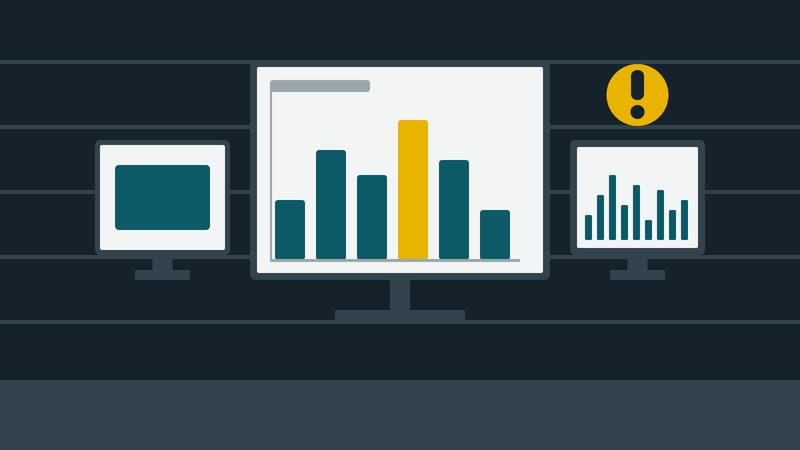
A screen on the production floor shows the shift's output, progress against target and the number of complaints. The idea behind it: the figure should be visible where it arises. In Germany it becomes legally interesting as soon as the figure for the shift turns into a figure per workstation or per person.
What the law says
Section 87(1) of the Works Constitution Act (Betriebsverfassungsgesetz) lists the matters in which the works council has a right of co-determination, in so far as they are not regulated by statute or collective agreement. Number 6 names the introduction and use of technical devices designed to monitor the behaviour or performance of employees. Number 1 names matters relating to the order of the establishment and the conduct of employees.
Co-determination means that the employer cannot introduce the measure alone. If no agreement is reached, the conciliation committee decides under subsection 2.
How the Federal Labour Court reads "designed"
The wording suggests that intention matters. The Federal Labour Court has long taken a different view and summarised it again in July 2024. Monitoring, it says, is a process by which information about the behaviour or performance of employees is collected and, as a rule, recorded. Technical devices are "designed" for monitoring if they are objectively suitable for collecting or recording such information. The employer's subjective intention to monitor is irrelevant. It is sufficient if only part of the process is carried out by a technical device.
What this means for the screen
The following assessment is the editors' own.
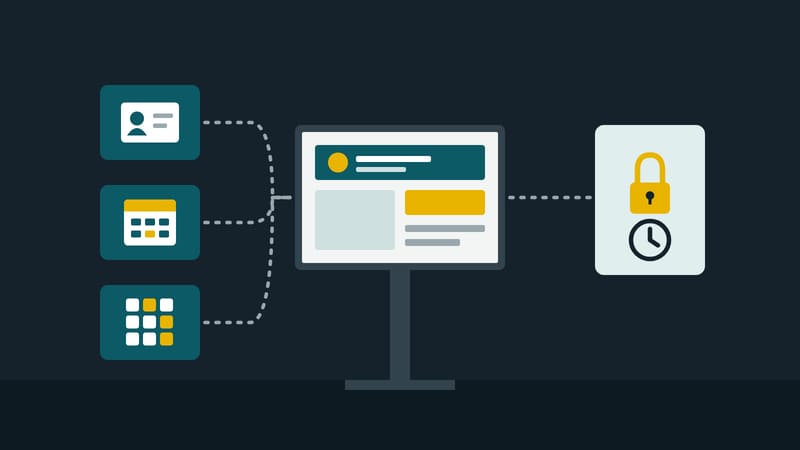
The screen itself collects nothing. It shows what another system has measured: the machine controller, the production data system, the ticketing system, the telephone system. The question of co-determination therefore arises first with that system. If its data can be attributed to individual employees, it is, by the court's standard, suitable for recording performance.
The screen then changes the reach. An analysis that only the team leader used to see now hangs on the wall for everyone. That is a new kind of use, and it also touches on conduct in the workplace. If a works agreement exists for the source system, it is worth reading: does it regulate who may see which analysis?
Three levels help with the assessment:
- Figures for the plant or site: output of the line, utilisation, reject rate. No link to individuals.
- Figures for small groups: results per shift or team. The smaller the group, the easier it is to draw conclusions about individuals. For a shift of two people the group figure is in effect a personal figure.
- Figures per person or workstation: rankings, cases handled per head, names next to values. Here individual performance is directly visible.
Four steps
- Involve early. Inform the works council before the screen goes up, and show what it is meant to display.
- Fix the level. Record in writing down to which level figures are shown, and agree minimum group sizes.
- Control access. Who may change the display? A new tile with individual values is quickly created. The permission model of the screen management software should prevent that.
- Consider data protection. Personal performance data on the wall is also a matter of data protection law; the data protection officer should be involved.
In companies without a works council, co-determination does not apply, but the question remains whether a ranking on the shop-floor wall benefits the business. Plant figures show where the team stands. Figures per person show who is behind, and show it to everyone.
This article is an overview based on the sources named and is not legal advice.