Market and DOOHIndustry
Car dealers: new cars on screen need consumption data
The German car energy-consumption labelling ordinance also covers advertising material in electronic form. What that means for the showroom screen.
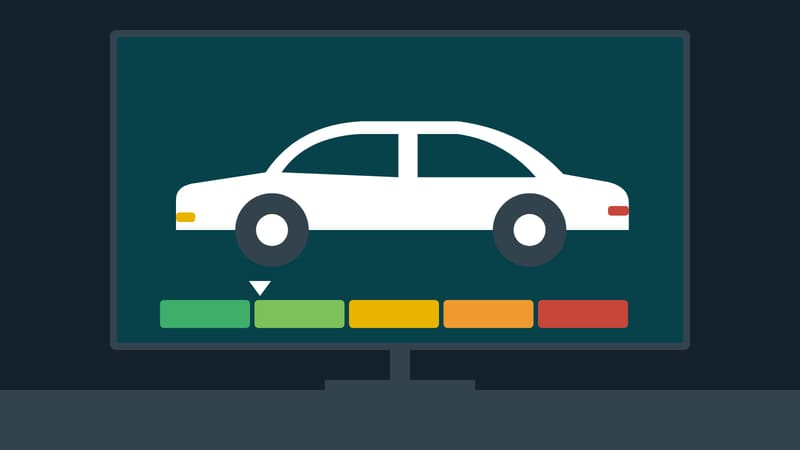
A car dealership has a screen in the showroom that continuously shows the new model: pictures, equipment, a "from" price. Legally this is more than a spot. The German car energy-consumption labelling ordinance (Pkw-EnVKV) requires manufacturers and dealers who use advertising material to provide information on energy consumption, CO2 emissions and CO2 classes of the relevant models of new passenger cars (section 5(1)).
For advertising material distributed in electronic form, on electronic, magnetic or optical storage media or on the internet, the information must be given according to Part II of Annex 4 (section 5(2)). Radio services and audiovisual media services are exempt.
Whether a showroom screen falls under this, the wording does not say expressly. The obvious course is to treat it that way as a precaution: a picture of a new model without a consumption figure is a risk that is easy to avoid.
Practical consequences for the playlist:
- One slide per model on which the mandatory data appear and stay long enough to be read.
- Take the figures from the manufacturer, do not calculate them yourself. The ordinance obliges manufacturers to supply the necessary data.
- Used cars are different; the ordinance speaks of new passenger cars.
This article is not legal advice. Before introducing it, it is worth looking at Part II of Annex 4 and asking the trade association or the manufacturer.